• A study of development of the nervous system helps to understand its complex organization and the occurrence of various congenital anomalies.
• The whole of the nervous system is derived from actoderm except its blood vessels and some neuroglial elements.
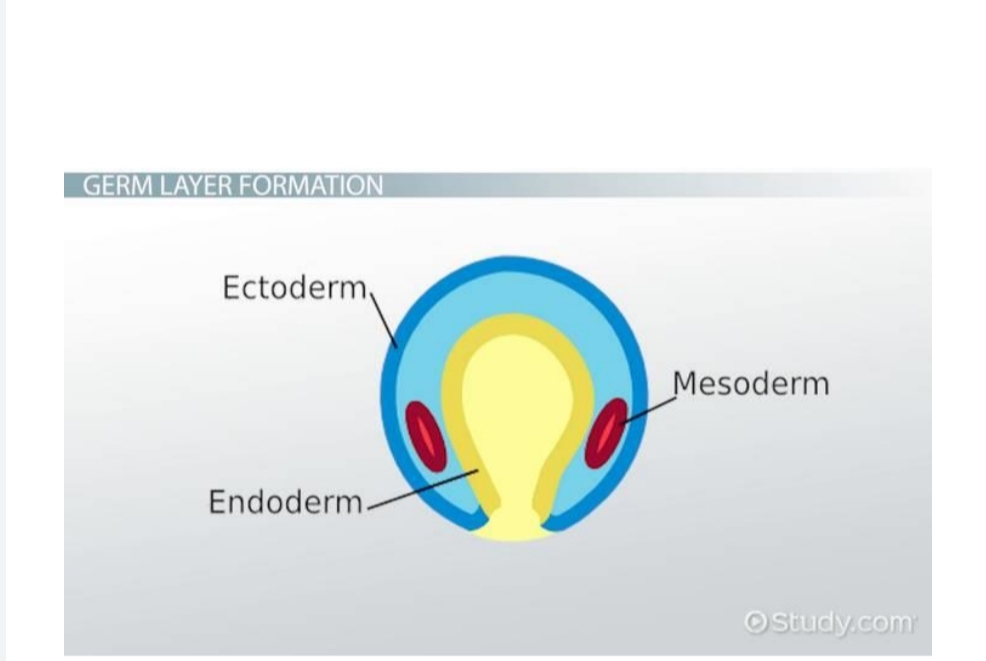
• The specific cell population of the early ectoderm,which gives rise to entire nervous system and special sense organ is termed neural ectoderm
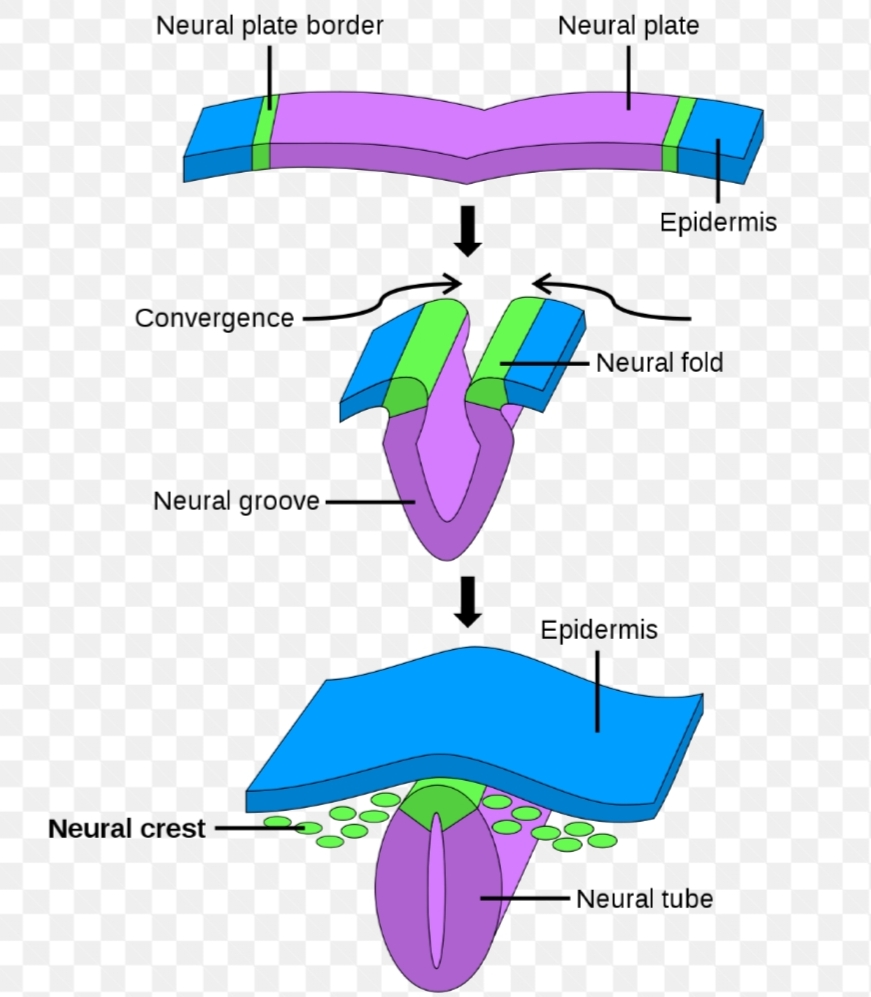
• The neural ectoderm later differentiates into three structures: neural tube, neural crest cells, and
ectodermal placodes.
• The neural tube gives rise to the central nervous system (CNS), the neural crest cells form nearly all the
peripheral nervous system and ectodermal placodes contribute to the cranial sensory ganglia,hypophysis and inner ear. •Neural plate=ectoderm cell overlaying the notochord become tall columnar producing a thickened neural plate( in surrounding ectoderm that produces epidermis of skin. •Neural groove=The neural plate is transformed into a neural groove. •Neural tube=The dorsal margin of the neural groove merge medially and form neural composed of columnar neuroepithelial cell surrounding a neural cavity.
*Development of Spinal Cord.
• The spinal cord develops from the caudal elongated part of the neural tube. • The cells of the neural tube migrates to form the mantle layer of grey Matter which differentiates into:_ 1)An alar plate( sensory neurons) 2)A basal plate( motor neuron). 3)sulcus limitans.
DEVELOPMENT OF BRAIN
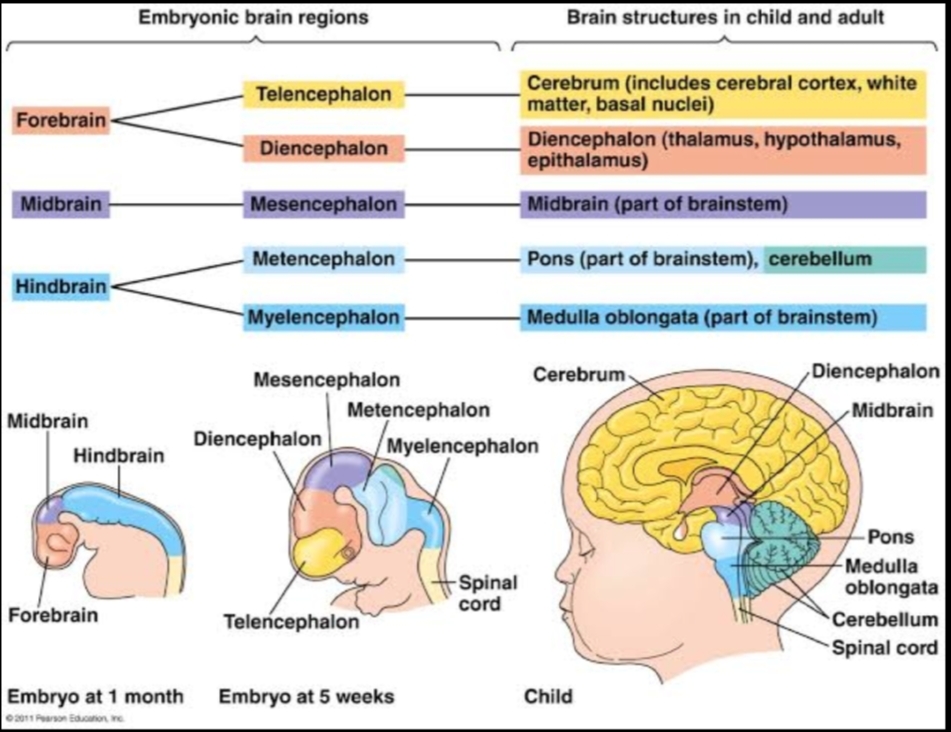
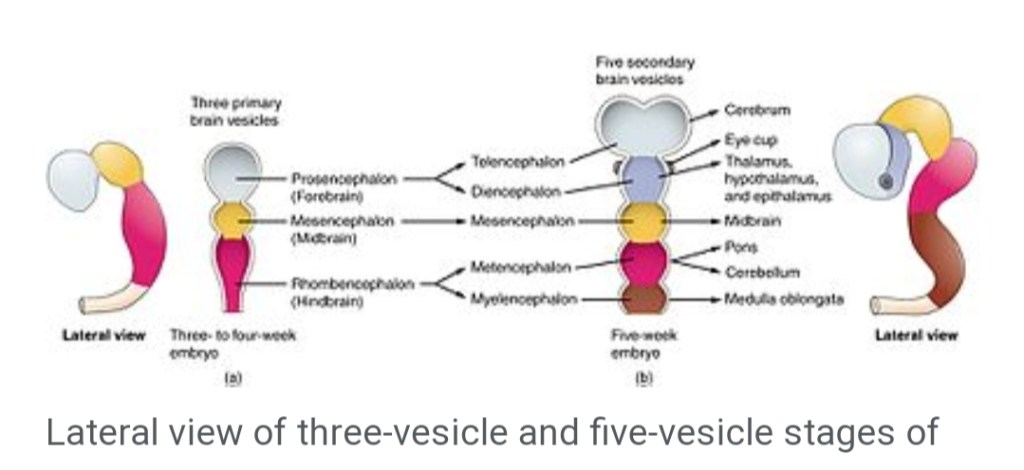
• The brain develops from the enlarged cranial part of the neural tube. At about the end of 4th week,
the enlarged cephalic part shows three distinct dilatations called primary brain vesicles Craniocaudally, these are: (a) prosencephalon(forebrain), (b) mesencephalon (mid-brain), and
(c) rhombencephalon (hindbrain). Their cavities form the ventricular system of the adult brain.
During the 5th week both prosencephalon and rhombencephalon subdivide into two vesicles
thus producing five secondary brain vesicles.
DEVELOPMENT OF VENTRICULAR
SYSTEM
• The cavities of brain vesicles form the ventricular system of adult brain:
• The hindbrain cavity becomes the fourth ventricle.
• The narrowed mesencephalic cavity becomes the cerebral aqueduct (aqueduct of Sylvius).
• The diencephalic cavity becomes the third ventricle.
• The twin telencephalic cavities become lateral ventricles.
 Dr Lucky Raman
Great share
LikeLiked by 1 person
Thanks 😍
LikeLike
Helpful 🤙🏻
LikeLiked by 1 person
Thanku🤗
LikeLike
It was really informative 😃👍🏻
LikeLiked by 1 person
Thanks
LikeLike